
Maize Market Intelligence; Tanzania
Practical context on the Tanzanian and East African maize market; what moves it, when the harvest comes, what affects grade and value, and who is buying. Useful background for buyers, millers, feed manufacturers and traders.
Informational only. This page gives general, qualitative market context; it is not a price quotation, an offer, financial advice, or a guarantee of availability or terms. For current indicative pricing on a specific grade and quantity, request a quote. Content is reviewed periodically.
Pricing moves with season and grade
Maize prices in Tanzania shift through the year with the harvest cycle, rainfall, regional supply balances and grade. Rather than publish a figure that dates quickly, we share current indicative pricing for your specific grade and quantity on request.
A Staple With Regional Reach
Maize is Tanzania’s staple cereal and one of the most actively traded grains in East Africa. Demand spans flour millers, animal-feed manufacturers, institutional and relief buyers, and cross-border traders serving neighbouring markets. Because so much supply comes from rain-fed smallholder and commercial farms, both volume and price move with the season and the weather; which is exactly why timing and grade matter so much to buyers.
Key Price Drivers
Harvest Seasonality
Prices typically ease around the main harvest and firm in the lean months before the next crop.
Rainfall & Weather
Season rainfall drives production swings, which feed directly through to supply and price.
Regional Demand
Cross-border demand from neighbouring deficit markets can pull supply and lift local prices.
Trade & Policy
Export measures and trade policy can change how freely grain moves across borders.
Transport & Fuel
Inland haulage and fuel costs affect delivered prices, especially over long distances.
Quality & Grade
Moisture, aflatoxin and cleanliness determine grade; and grade determines value.
Harvest & Supply Calendar
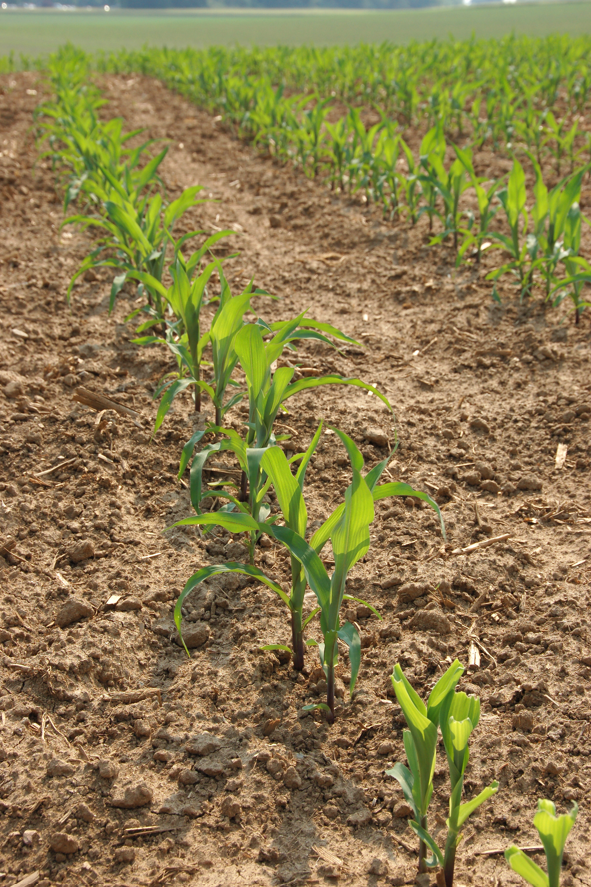
Tanzania spans both unimodal and bimodal rainfall zones, so maize comes to market across more than one window through the year.
Unimodal zones
The Southern Highlands; the main maize belt; have one long season, with the main harvest around the middle of the year.
Bimodal zones
Parts of the north and east have two rainfall seasons and harvest across two shorter windows.
Lean season
Supply tightens in the months before the next main harvest, when stored grain carries the market.
Exact timing varies by zone and season; treat the above as general orientation rather than fixed dates.
Quality Factors That Affect Price
For buyers, the difference between grades is the difference in price. The factors that matter most:
- Moisture content; affects storability and is central to grading and safe trade.
- Aflatoxin; a key food-safety parameter; levels affect acceptability and value.
- Foreign matter & broken grain; cleanliness and intactness influence grade.
- Colour & uniformity; white vs yellow and consistency matter to different buyers.
What to Watch
- Season rainfall in the main growing zones, which sets the size of the crop.
- Regional supply balances and cross-border demand from neighbouring markets.
- Any changes to export or trade policy that affect how grain moves.
- Transport and fuel costs, which feed into delivered prices.
Maize Growing Regions of Tanzania
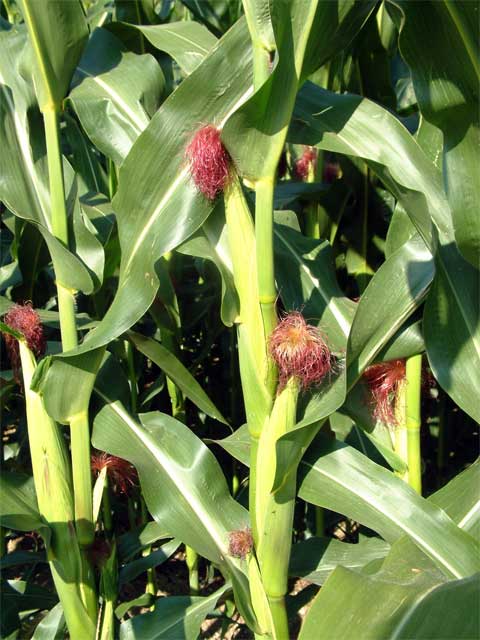
Maize is grown nationwide, but a few zones anchor the marketable surplus.
Southern Highlands
Mbeya, Njombe, Songwe and Rukwa; the main maize belt and the country’s principal surplus zone.
Northern Zone
Arusha, Manyara and Kilimanjaro, with bimodal rainfall and harvests across two windows.
Central & Western Zones
Dodoma, Singida, Tabora and beyond, contributing to national supply and regional trade.
Regions are indicative of where the crop is concentrated; growing areas shift with season and conditions.
Maize Grades & Specifications
Maize is described mainly by safety and cleanliness, which set the grade:
By Moisture & Safety
Moisture content and aflatoxin levels; central to safe trade, storability and acceptability.
By Cleanliness
Foreign matter and the share of broken grain, which affect grade and value.
By Type
White versus yellow and grain uniformity, which matter to different buyers (food vs feed).
The exact grade of any lot is confirmed against your specification at the point of sale.
Maize Market FAQ
What drives maize prices in Tanzania?
Mainly the harvest cycle and season rainfall, regional supply balances and cross-border demand, trade and policy measures, transport and fuel costs, and the grade of the grain itself.
When is the maize harvest?
It varies by zone. The unimodal Southern Highlands, the main maize belt, harvest around the middle of the year; bimodal northern and eastern areas harvest across two shorter windows.
What quality factors affect maize value?
Moisture content, aflatoxin levels, foreign matter and broken grain, and colour and uniformity. These set the grade, and grade sets the price.
Do you publish current maize prices?
We do not publish figures that date quickly. Prices move with season, grade and quantity, so we provide current indicative pricing for your specific requirement on request; see our maize supply page.
Where does Global Agrichain supply maize?
Across Tanzania and into regional East African markets. See the maize page and the Grain & Commodities division for supply and quotations.
Does Global Agrichain buy maize from suppliers?
Yes. We source maize from farmers, cooperatives, and traders across Tanzania. See our Buying Requirements page for the commodities we are currently sourcing.
Need Current Maize Pricing?
Tell us your grade, quantity and destination and our team will respond with current indicative pricing and availability.